Understanding Severe Thunderstorm Warnings in Santee, CA
Get the latest updates on severe thunderstorm warnings and weather alerts in Santee, CA. Stay informed about your local weather conditions.
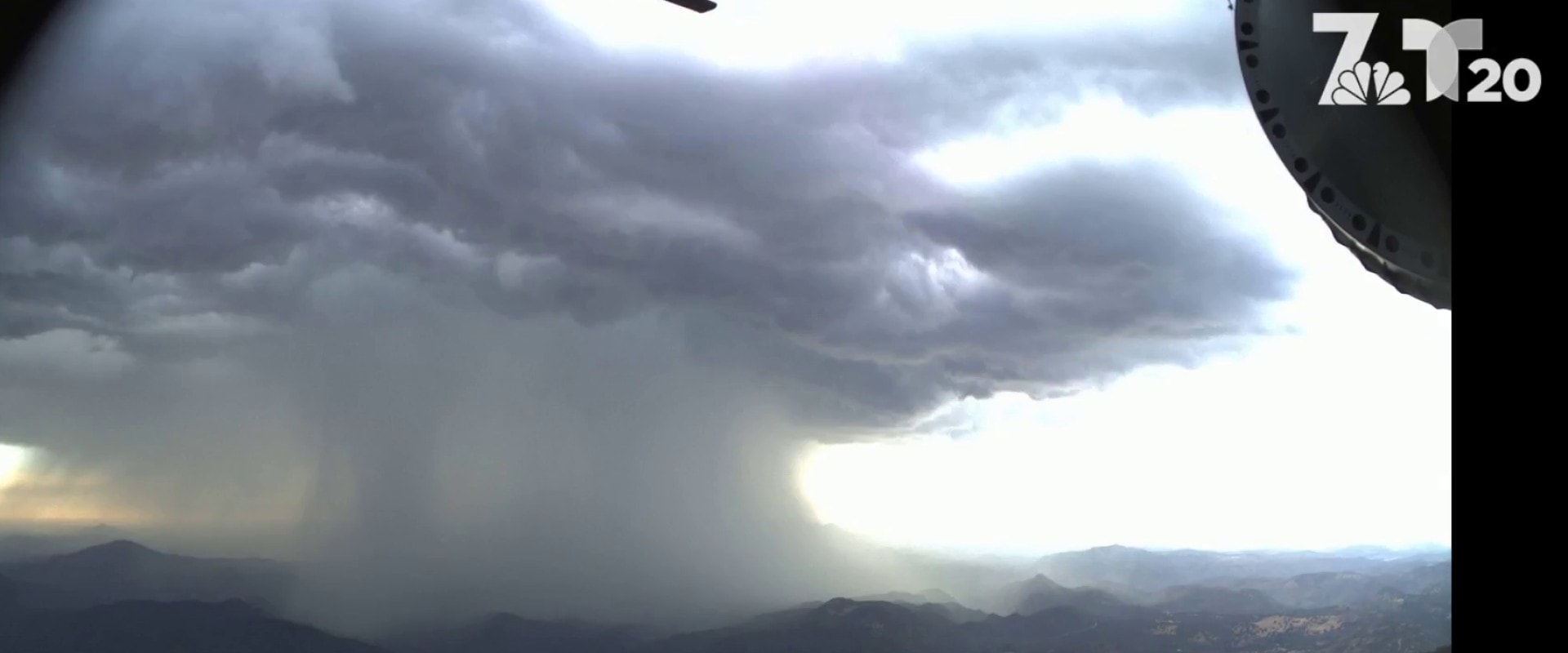
As residents of Santee, CA, we are no strangers to the unpredictable nature of our local weather. Among the many meteorological phenomena that can impact our daily lives, severe thunderstorm warnings stand out as a significant concern. These alerts signal the potential for dangerous conditions that can lead to heavy rainfall, damaging winds, and even hail. Understanding what these warnings mean and how to respond effectively can make all the difference when severe weather strikes. In this article, we will delve into the intricacies of severe thunderstorm warnings, exploring their definitions, criteria, and the vital role they play in keeping our community safe.
From the science behind thunderstorms to tips on how to stay informed and prepared, we aim to equip you with the knowledge you need to navigate severe weather events confidently. Whether you’re a long-time resident or new to Santee, understanding these warnings is crucial for your safety and that of your loved ones. Stay with us as we unravel the complexities of severe thunderstorm warnings and empower ourselves with the information that can help us weather any storm. Severe thunderstorms are significant weather events that can have a profound impact on communities, including residents of Santee, CA. By definition, a thunderstorm is classified as 'severe' when it produces one or more of the following criteria: winds that exceed 58 miles per hour, hail of one inch or larger in diameter, or a tornado. These storms can bring with them a combination of dangerous elements, including heavy rainfall, which can lead to flash flooding, hail that can damage vehicles and crops, and strong winds that can uproot trees and down power lines.
In some cases, severe thunderstorms can also spawn tornadoes, which can cause catastrophic damage in their path. The seasonal patterns of thunderstorms in Santee and the surrounding areas typically peak during the warmer months, particularly from late spring to early fall. During this time, the atmospheric conditions become conducive to the formation of severe thunderstorms. Residents should be particularly vigilant during these months, as thunderstorms can develop rapidly and with little warning. Local authorities play a crucial role in issuing warnings for severe thunderstorms. The National Weather Service (NWS) closely monitors weather patterns and issues alerts based on real-time data.
These warnings are disseminated through various channels, including local news broadcasts, weather apps, and community alert systems. Residents are encouraged to stay informed by subscribing to weather alerts and following local news sources, as timely information is key to safety during severe weather events. The impact of severe thunderstorms on local infrastructure can be significant. High winds can cause tree falls that block roads and damage power lines, leading to outages that may last for hours or even days. Schools may also close temporarily during severe weather events to ensure the safety of students and staff.
Businesses may experience disruptions due to damage or flooding, affecting the local economy. In preparation for severe thunderstorms, residents should take several safety precautions. It is essential to have an emergency kit ready, including water, non-perishable food, flashlights, batteries, and a first aid kit. Additionally, residents should have a plan in place for where to go in case of an emergency and ensure that all family members are aware of this plan. During a severe thunderstorm warning, individuals should seek shelter indoors and stay away from windows and doors. Businesses may experience disruptions due to damage or flooding, affecting the local economy. In preparation for severe thunderstorms, residents should take several safety precautions. It is essential to have an emergency kit ready, including water, non-perishable food, flashlights, batteries, and a first aid kit. Additionally, residents should have a plan in place for where to go in case of an emergency and ensure that all family members are aware of this plan. During a severe thunderstorm warning, individuals should seek shelter indoors and stay away from windows and doors.
If caught outside, finding a sturdy building is crucial; if that is not possible, lying flat in a low-lying area may provide some protection from flying debris. Looking back at past events in Santee can illustrate the importance of preparedness. For instance, during a severe thunderstorm that occurred last summer, residents experienced intense hail and wind gusts that led to numerous reports of property damage. This incident served as a reminder of the unpredictable nature of these storms and the necessity for constant vigilance. There are also several misconceptions about thunderstorms that could lead to complacency among residents. One common myth is that if it is not raining heavily at the moment, a thunderstorm cannot be severe.
However, severe thunderstorms can develop quickly and may produce dangerous conditions even if they initially appear mild. Another misconception is that lightning only strikes tall objects; in reality, lightning can strike anywhere and poses a risk regardless of surroundings. In conclusion, understanding severe thunderstorm warnings is essential for the safety and preparedness of residents in Santee, CA. Being informed about what constitutes a severe thunderstorm and how to stay updated on weather alerts can significantly mitigate risks associated with these powerful storms.
What is a Severe Thunderstorm Warning?
A severe thunderstorm warning is an official alert issued by the National Weather Service (NWS) to inform residents that a thunderstorm capable of producing severe weather is imminent or occurring in their area. This warning indicates that the storm has already demonstrated its potential to cause significant damage, including strong winds exceeding 58 mph, hail larger than one inch in diameter, or the possibility of tornadoes. It is important to note that a severe thunderstorm warning differs from a severe thunderstorm watch.While a watch means that conditions are favorable for the development of severe thunderstorms, a warning means that these storms have been observed or detected by radar. Therefore, when a severe thunderstorm warning is issued, residents should take immediate action to ensure their safety, such as seeking shelter and staying informed through local news updates. For residents of Santee, CA, understanding the difference between these two alerts can be crucial during storm season. Being aware of a severe thunderstorm warning allows individuals and families to prepare effectively for potential hazards associated with severe weather.
Local Impact: How Severe Thunderstorms Affect Santee
Severe thunderstorms can have a significant impact on the community of Santee, CA, affecting both local events and infrastructure. These storms are characterized by heavy rainfall, strong winds, and the potential for hail, which can lead to various challenges for residents and local businesses. For instance, in 2018, a severe thunderstorm swept through Santee, resulting in flash flooding that disrupted traffic and caused damage to several roads.Many residents reported water pooling in their yards and streets, making it difficult for emergency services to navigate the area. Such incidents highlight the importance of being prepared for these weather events. Moreover, severe thunderstorms can also affect local events. In 2019, the annual Santee Street Fair was cut short due to unexpected thunderstorm activity. Vendors were forced to close their booths early as heavy rain and strong winds rolled through, leading to significant financial losses for small businesses that rely on these community events. Infrastructure can also be compromised during severe thunderstorms.
Power outages are common as high winds knock down trees and power lines. In recent years, Santee has experienced multiple outages following severe weather, leaving many residents without electricity for extended periods. This not only affects daily life but can also pose risks to safety and security. Overall, understanding the local impact of severe thunderstorms is crucial for the residents of Santee. By staying informed and prepared, they can better protect themselves and their property from the effects of these powerful storms.
Where to Find Reliable Weather Updates
Staying informed about severe thunderstorm warnings is crucial for the safety of residents in Santee, CA.To access timely and reliable weather updates, it is essential to turn to trusted local news outlets and resources.
Local News Stations:
Santee residents can rely on local television stations such as KFMB Channel 8 and KUSI News for up-to-date weather alerts. These stations often provide real-time coverage during severe weather events, allowing viewers to stay informed about any warnings or alerts that may impact their area.National Weather Service:
The National Weather Service (NWS) also plays a critical role in disseminating severe thunderstorm warnings. Residents can visit their official website or follow their social media accounts for the latest updates and detailed forecasts specific to Santee and surrounding regions.Mobile Apps:
Utilizing mobile weather apps is another effective way to receive immediate notifications about severe thunderstorm warnings. Apps like The Weather Channel and AccuWeather allow users to set alerts based on their location, ensuring that they receive timely information wherever they are.Community Alert Systems:
Additionally, Santee has community alert systems that residents can enroll in for direct notifications regarding severe weather.These systems often send text messages or emails with important updates, enabling residents to take appropriate actions when severe thunderstorms are forecasted. By utilizing these trusted sources, Santee residents can enhance their preparedness and safety during severe weather events. Staying informed is key to ensuring the well-being of the community during thunderstorms.
The Science Behind Severe Thunderstorms
Severe thunderstorms are powerful storms characterized by intense rainfall, strong winds, hail, and sometimes tornadoes. Understanding the meteorological conditions that lead to these storms is crucial for residents of Santee, CA, as it can help them prepare and stay safe during severe weather events. One of the primary ingredients for severe thunderstorms is instability in the atmosphere. This instability occurs when warm, moist air rises rapidly through cooler air above it.As this warm air ascends, it cools and condenses, forming clouds and precipitation. When the atmosphere is particularly unstable, it can lead to the development of towering cumulonimbus clouds, which are associated with severe thunderstorms. Additionally, wind shear plays a significant role in the formation of severe thunderstorms. Wind shear refers to the change in speed and direction of winds at different altitudes. When there is considerable wind shear, it can create rotation within a storm system, increasing the potential for severe weather phenomena such as hail and tornadoes. Another factor contributing to severe thunderstorms is the presence of a weather front.
A front occurs when two different air masses collide, such as a cold front meeting a warm, moist air mass. This collision can trigger the upward motion necessary for thunderstorm development. In Santee, CA, these fronts often come from the Pacific Ocean and can lead to localized severe weather events. Lastly, topography can influence the occurrence of severe thunderstorms. The varied landscape of Santee and its surroundings can affect wind patterns and moisture distribution, potentially enhancing storm development in certain areas.
Understanding these meteorological conditions helps residents stay vigilant and prepared during storm season.
Staying Safe: Preparedness Tips for Residents
When it comes to severe thunderstorms, being prepared can make all the difference for the residents of Santee, CA. Here are some practical steps you can take to ensure your safety and that of your loved ones.1.Stay Informed:
Regularly check weather reports and alerts from reliable sources such as the National Weather Service or local news stations. Sign up for weather alert systems that send notifications directly to your phone.2.Create an Emergency Kit:
Assemble a kit with essential items such as non-perishable food, water, first aid supplies, flashlights, batteries, and important documents. This kit should be easily accessible in case of severe weather.3.Develop a Family Emergency Plan:
Discuss and create a plan with your family that includes meeting points, communication strategies, and actions to take during severe thunderstorms.Ensure everyone knows what to do and where to go.
4.Secure Your Home:
Check your property for potential hazards such as loose roof tiles or branches that could become projectiles in high winds. Reinforce windows and doors if possible.5.Identify Safe Locations:
Know where the safest places in your home are during a storm, typically a basement or an interior room away from windows. Familiarize yourself with community shelters if necessary.6.Follow Local Guidelines:
Pay attention to local officials' advice during severe weather events. If evacuation is recommended, follow the instructions promptly. By taking these steps, residents of Santee can enhance their preparedness for severe thunderstorms and ensure their safety during adverse weather conditions. In conclusion, we have explored the critical aspects of severe thunderstorms and their implications for residents of Santee, CA.Understanding what a severe thunderstorm warning entails is essential for preparedness and safety. We discussed the scientific principles behind these storms, the local impacts they can have on our community, and vital preparedness tips to help mitigate risks. Staying informed through reliable weather updates is crucial, as it empowers residents to make informed decisions during severe weather events. As we have seen in recent instances, severe thunderstorms can disrupt daily life and pose significant dangers. It is important for everyone in our community to remain vigilant and proactive about their safety.
We encourage you to share this information with family and friends, fostering a culture of awareness and preparedness that can enhance overall community safety.